Wednesday, April 15, 2020
Immigrants in California in 2017 - An Overview
A member of the San Leandro Ministerial Association, Rose Padilla Johnson is the administrator of a RotaCare Free Medical Clinic. Recognized for her effort in alleviating disparities and inequalities in low-income and largely immigrant communities, Rose Padilla Johnson has contributed to the provision of affordable health care to low-income families in various parts of California.
In 2017, 27 percent of the California population was foreign-born. This percentage was more than double the percentage in the rest of the United States. At that time, half of all California children had at least one immigrant parent, and foreign-born residents represented about one-third of the population in five major California counties, San Francisco, Santa Clara, Los Angeles, Alameda, and San Mateo.
About half of these individuals are naturalized citizens of the United States, and another 25 percent of the immigrants have some legal status, such as visas and green cards. According to a report from the Center of Migration Studies, about 23 percent of the immigrant population in California was undocumented at that time. From 2010 to 2017, it appeared that there was a 0.5 million decline in the population of undocumented immigrants in California. The majority of the immigrants were born in Latin America or Asia, with lead populations from Vietnam (524,000), India (507,000), Mexico (4.1 million), the Philippines (857,000), and China (969,000). Most of the immigrants were bilingual, with about 69 percent able to speak English proficiently, and 10 percent unable to speak English, as estimated from the report.
Monday, January 13, 2020
A Snapshot of Poverty in Alameda County, California
Nonprofit executive Rose Padilla Johnson serves as the CEO of Davis Street Community Center, a $10.5-million agency serving low-income families around San Leandro and Alameda County, California. Rose Padilla Johnson has been working with low-income families in Alameda County for several decades and is passionate about supporting the community in and out of San Leandro.
According to 2019 estimates, Alameda County, California's population reached 1.67 million people. The largest group of people living in the county ranged in age from 18 years old to 65 years old and made an average of $92,574 a year between 2014 and 2018. Compared to 2010, the population size of the area grew by about 10.4 percent from 1.5 million people.
Despite this, the county also has a poverty rate of about nine percent. This is a decrease from 11.3 percent of residents who lived in poverty in 2017. At this time, women between the ages of 18 and 24 were the second-highest segment of individuals living in poverty, followed by men between 18 and 24 years old.
Further, most of the population living in poverty in Alameda County were white. While the county does have the Bay Area’s smallest population of white residents, they still make up the largest portion of Alameda County’s total population at 49.7. percent. Asian residents account for about 31.8 percent of the total population, followed by Hispanic residents and African American residents at 22 and 11 percent, respectively.
Tuesday, January 7, 2020
The Importance of the 2020 Census
For nearly three decades, Rose Padilla Johnson has directed the Davis Street Community Center, which serves more than 20,000 residents living in and around the San Leandro area. Rose Padilla Johnson has expanded the center’s mission by providing health services, hosting nutritional and parenting programs, and notifying San Leandro residents of job opportunities. The organization recently advertised positions for the 2020 census office.
As required by the Constitution, the United States government must collect demographic data every 10 years through an initiative known as the census. The 2020 census will mark the first time that Americans can provide information by phone or online. The census provides an accurate estimate of the country’s population to inform several important government functions.
Additionally, census data is used to appropriate House of Representatives seats based on population. This data also helps lawmakers define voting districts and allocate state and federal funding.
For example, locations with an increase in school-aged children may receive more funding for public schools over the next decade. In addition, the census will help federal agencies identify violations of demographic-specific acts, such as the Civil Rights Act.
Tuesday, December 10, 2019
Davis Street Community Center Provides Psychotherapy Services
Rose Padilla Johnson has spent decades working with low-income families in Alameda County in San Leandro, California. A nonprofit and social service innovator, Rose Padilla Johnson offers her services to over 15,000 individuals each year through her work as CEO of the Davis Street Community Center Incorporated in San Leandro.
As a Federally Qualified Health Center, the Davis Street Community Center provides health care services to individuals regardless of their ability to pay or immigration status. The organization, which was founded in 1970, focuses its services on patient-centered care. Currently, the center provides a complete range of medical services that range from dental care and women’s health to nutrition classes and behavioral health care.
Behavioral health care at Davis Street includes psychotherapy treatment, a form of talk therapy that helps individuals overcome problems in daily life and improve their overall well being. Trained therapists conduct psychotherapy sessions, which range from short or long term sessions and can be held one on one or in group formats. Research shows that this form of therapy helps most individuals function better in their daily lives, however, the success of the treatment depends on the patient's involvement and trust in the therapist.
Psychotherapy also includes an array of more specific therapy treatments that include cognitive behavioral therapy, interpersonal therapy, psychoanalyze, and supportive therapy among others.
Thursday, November 21, 2019
Davis Street Community Center Offers Behavioral Health Services
Serving as the CEO of the Davis Street Community Center (DSCC) in San Leandro, California, Rose Padilla Johnson has led the community service organization for over 25 years. Dedicated to serving the needs of low-income families, Rose Padilla Johnson oversees a wide array of DSCC programs, including child care services and a health clinic that offers medical and behavioral health services.
A sanctuary facility, the Davis Street clinic welcomes all patients regardless of ability to pay or immigration status. In addition to meeting basic medical needs, the clinic offers affordable counseling to help people improve their relationships and make more positive and productive choices. Treating a wide range of mental health issues, including depression, anxiety, substance abuse, and stress, Davis Street’s mental health clinicians see people of all ages from preschool-age children to adults.
Adopting an integrated approach to behavioral health care that includes collaboration with the patient’s primary care provider, mental health providers at the Davis Street clinic offer a full range of services, including psychological assessments, individual and family counseling, crisis intervention counseling, and substance abuse services referrals. In addition, the Davis Street behavioral health team provides several San Leandro Unified School District schools with mental health services. If you’d like to make an appointment with a counselor, please call 510-347-4620, extension 140.
Thursday, October 31, 2019
Nutrition Classes Help Families with Low Incomes Prepare Healthy Meals
Since 1991, Rose Padilla Johnson has leveraged her experience in developing innovative social services to grow the Davis Street Community Center in San Leandro, California, into a central destination for local low-income residents and immigrant families. Among the many services the San Leandro-based organization provides under Rose Padilla Johnson’s direction, one is a series of Nutritional Cooking Classes that teach principles of healthy eating and food preparation.
Studies conducted by the United States Department of Agriculture and other authorities have highlighted an important point: when recipients of supplemental food access receive classes in nutrition, they tend to make healthier grocery purchasing choices. Thanks to the Davis Street Community Center program, class attendees have learned techniques of selecting and preparing budget-friendly, appetizing, and healthy meals.
The program takes place in Davis Street’s own Demonstration Kitchen, facilitated by a credentialed nutritionist. It draws on supplies donated by the center’s own food pantry, and participants learn how to stretch their dollars, and to select the most nutritious offerings from local food distribution centers. They also learn how to change their families’ lifestyles in order to support healthy practices and avoid or address malnutrition and obesity.
The classes have produced numerous success stories. One such case is a man with type-2 diabetes who lost 10 pounds after his spouse brought home new information from the classes. The man’s blood sugar levels also began to correct themselves as a result of his improved diet.
Saturday, October 12, 2019
Healthy Diet for Chronic Disease Management
![]() |
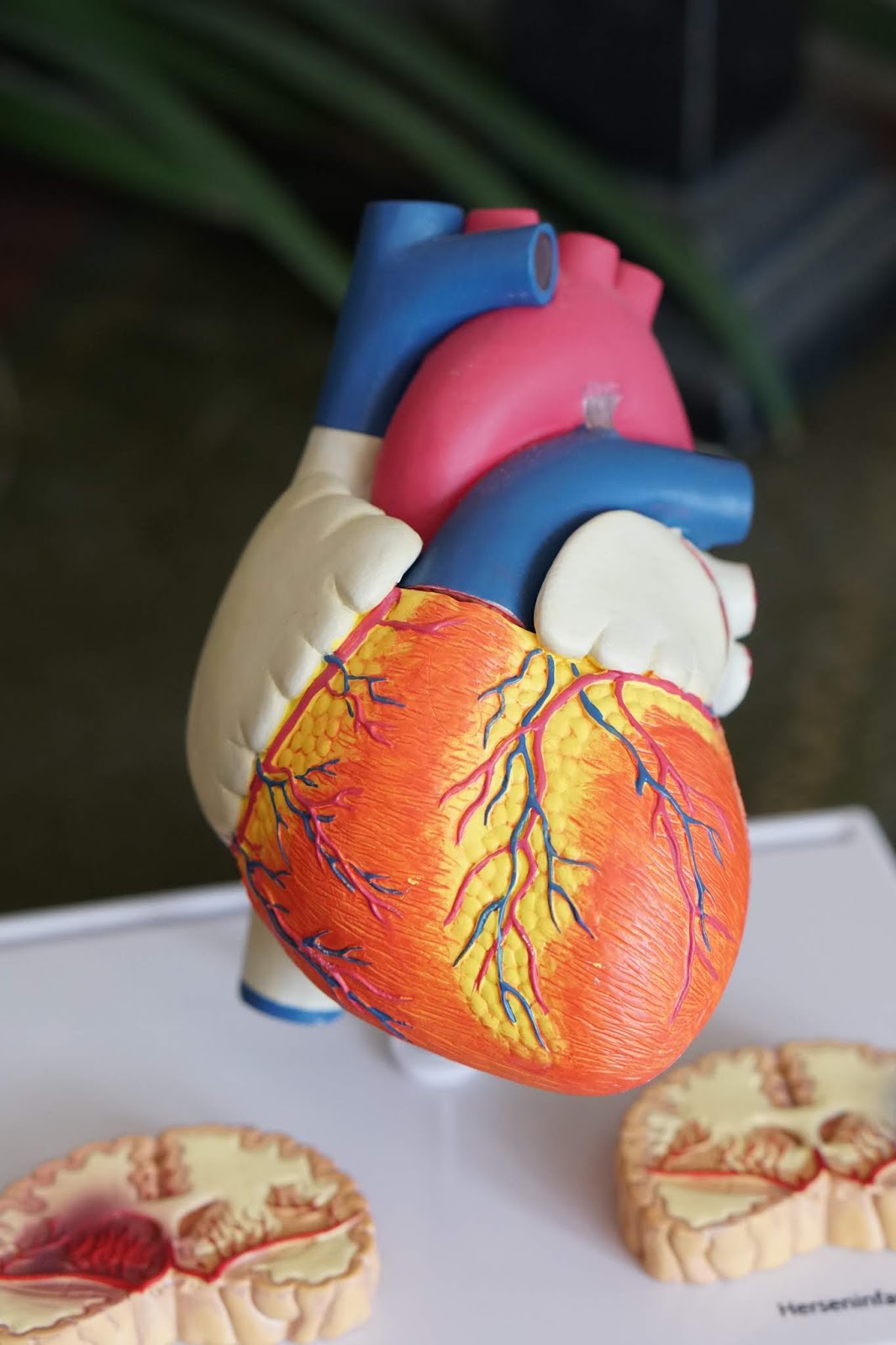
Human Heart Model
|
Rose Padilla Johnson has led the Davis Street Community Center in San Leandro for nearly three decades. Under Rose Padilla Johnson’s guidance, the community center organizes and hosts nutritional cooking classes to raise awareness among San Leandro residents of the links between a healthy diet and long-term health.
While everyone can benefit from eating a balanced and nutrient-dense diet, people managing chronic conditions, such as diabetes or heart disease, need a healthy diet. The average American diet contains higher than recommended levels of sodium, sugar, and fat. This diet can exacerbate hypertension and weight gain and increase the likelihood of developing medical complications.
Nutritionists recommend a fiber-rich diet of fresh vegetables and whole grains and the elimination of high-fat sources of empty calories, which include sugary beverages, ice cream, whole milk products, and fruit drinks. Further, individuals can greatly decrease the amount of salt and fat in their diets by reducing their intake of processed foods and salty condiments.
Subscribe to:
Posts (Atom)